
Services
Every collection faces risk. We identify it, reduce it, and prepare you for what cannot be prevented.
Every decision about protecting a collection depends on how well that collection is understood. Something that has not been properly recorded cannot be properly protected. For that reason, our work begins with documentation, before any assessment or design.
We carefully record the condition, form, dimensions, and characteristics of each object. For fragile or complex pieces, where needed, we use precise three-dimensional capture so that the shape and detail of the work are recorded completely and permanently. This builds an accurate, reliable baseline.
That baseline serves two essential purposes. First, every later analysis and design rests on real data rather than memory or assumption. Second, if damage ever occurs, the original state of the work is documented and on hand, which is vital both for recovery and restoration and for insurance and legal matters.
Precise documentation is the first and quietest step in protection, but without it, every step that follows is built on unstable ground.
Every collection, from a national treasure to a small archive, faces a large number of threats. Some are obvious, such as fire or earthquakes, and some work slowly and silently, such as humidity, light, or gradual deterioration. The problem for most institutions is not that they are unaware of these threats, but that they do not know which one is most serious and which to address first.
Risk assessment answers that question. We systematically examine a collection and its building and identify every factor that could cause it harm. Then, for each threat, we weigh two things: how likely it is to occur, and if it does occur, how much of the collection, and how much of its value, would be affected.
The result is not a scattered list of concerns, but a clear, prioritised picture: which risks are critical and demand immediate action, which should be managed over the medium term, and which can be accepted. This picture allows decision-makers to spend limited conservation resources where they have the greatest effect, instead of allocating budget based on guesswork or a reaction to the most recent event.
This approach turns risk management from a vague concern into an evidence-based decision. And that is the difference between reactive protection and informed protection.
Of all the threats that endanger a collection, an earthquake may be the most deceptive. For years nothing happens, and then in a matter of seconds, what has survived for centuries can be lost. Seismic damage cannot be predicted by eye; an object that appears stable may be highly vulnerable to ground motion, while a piece that looks fragile may endure. Sound judgment requires engineering analysis, not intuition.
This is where our specialist depth lies. We study how an object and the building that holds it behave under ground motion: how movement travels from the earth into the structure and from the structure into the work, where forces concentrate, and at what point the safety of the object is compromised. This study reveals hidden vulnerabilities, the kind that only show themselves in a real earthquake, when it is too late to act.
This depth of knowledge is rare in the field of conservation. Most of those who work in heritage protection consider threats in general terms, but the detailed analysis of the seismic behaviour of a specific work demands specialised, interdisciplinary knowledge that sits at the meeting point of structural engineering, dynamics, and heritage conservation. This is precisely the ground our work is built on and our research is devoted to.
For collections held in seismic regions, and much of the world's heritage is, this analysis is the difference between the appearance of protection and protection that is real.
Once the risks are understood and weighed, the next question is what to do about them. Here a common misconception arises: that protection means buying a ready-made product, such as a showcase or a lock. But every object, every space, and every level of value calls for a different answer. A solution that suits one work may be useless, or even harmful, for the one beside it.
We design protection; we do not select from ready-made options. Our design emerges from the results of the risk assessment and is shaped for that specific threat, that specific object, and those specific conditions. The level of protection is matched to the value and vulnerability of the work, so that nothing is over-engineered and costly, and nothing is left undefended.
This difference is subtle but fundamental. An equipment supplier sells you the product they carry in stock. We first understand exactly what your work needs, and then shape the solution around that need. The result is protection that is precisely the size of the problem: no less, so that risk remains, and no more, so that budget is wasted.
Even the best protective design is only a drawing on paper until it is correctly built. The gap between a good design and real protection lies in the quality of implementation, and this is exactly where many projects fail: a correct solution, wrongly installed, can be as useless as no solution at all.
We see the work through to the end. The installation of mounts, showcases, and structural measures is carried out under our supervision and in accordance with the design, and once installed, we make certain that each solution performs in the real space, around the real object, exactly as it was designed to.
This is the fundamental difference between a supplier and a partner. A supplier delivers the product, and their responsibility ends there. We take responsibility for the outcome, meaning we are committed to ensuring that, when the work is finished, your object is genuinely protected, not merely fitted with equipment beside it. This commitment to the result guides us through every stage of implementation.
No protection, however well designed, can make every emergency impossible. A fire, a flood, an earthquake, or a human error can always occur. But what determines the fate of a collection in such moments is not whether an emergency happens, but how prepared the institution is for it.
The difference between a prepared institution and an unprepared one becomes clear in the first minutes of a crisis. In an institution that is prepared, staff know what to do, which works are the priority to save, and how to act without causing further harm. In one that is not, those same minutes are lost to confusion and rushed decisions, and it is often that confusion that turns a manageable incident into a catastrophe.
We prepare an institution for these moments. We develop a plan that covers three stages: prevention, to reduce the likelihood of an event; response, so that the right action is taken quickly in a crisis; and recovery, so that after a crisis, damage is minimised and the collection is returned to a safe state. More important than the document itself is that the plan is practical and workable, and that staff are familiar with it and ready to carry it out.
The ultimate goal is simple: to ensure that a difficult moment does not become an irreversible loss.
Protection is not a one-time event but a lasting condition. A collection that is safe today does not necessarily remain safe tomorrow. Environmental conditions change, buildings age with time, protective equipment requires maintenance, and new threats emerge that did not exist at the first assessment. Protection that is abandoned after installation gradually loses its effect.
For this reason, our work does not end when installation is complete. We stay with a collection over time and keep its condition under watch. We monitor for change, review how the protective solutions are performing, and whenever conditions or threats shift, we update the protection.
This ongoing care is the difference between protection that works only on the first day and protection that lasts for years. Cultural heritage is kept for generations, and its protection must take an equally long view. We bring that long-term view to every project.
The protection of cultural heritage is not a young field. Over decades, international institutions and researchers have developed frameworks, standards, and guidelines that today form the basis of professional practice in this area. Making decisions without awareness of this accumulated knowledge means starting from zero, and often means repeating mistakes that others have already learned from.
Every decision we make rests on this international foundation. We bring that knowledge to each project and make certain that our proposed solutions are aligned with the highest recognised standards in the field. This alignment not only ensures the quality of protection, but in many cases is also essential for insurance, legal, and institutional requirements.
But our consultation is not limited to a full project. Sometimes an institution faces only a single, specific question: the safety of a particular object, the evaluation of a decision, or an expert opinion on a situation. We make this expertise available at every stage and at every scale, from a single object to an entire collection. Our goal is that every choice, large or small, rests on the best knowledge the field has to offer.
Who we serve
Wherever heritage is kept, it faces risk.
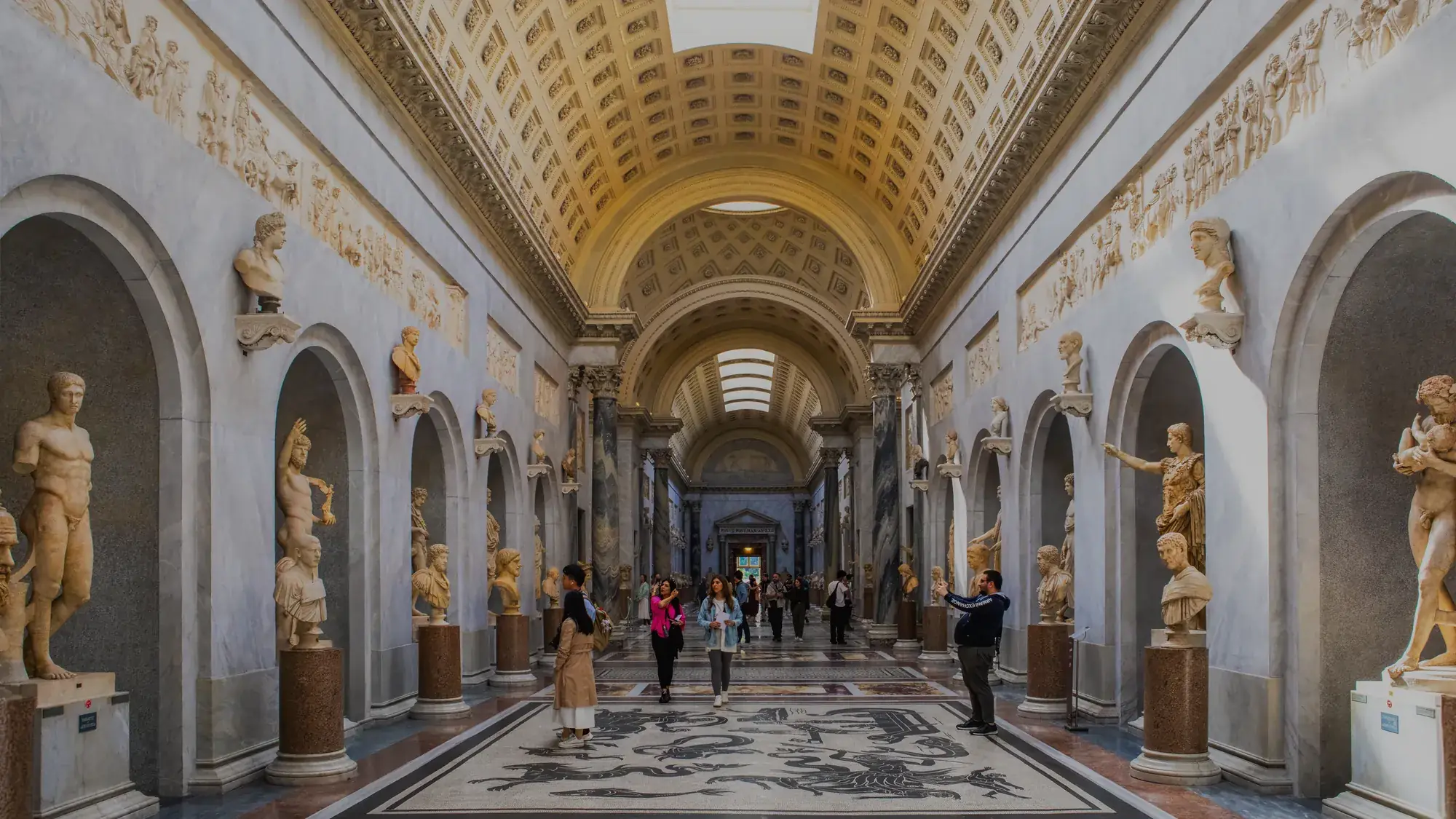
Museums
The great repositories of human memory, where the irreplaceable is held in trust for all who come after.
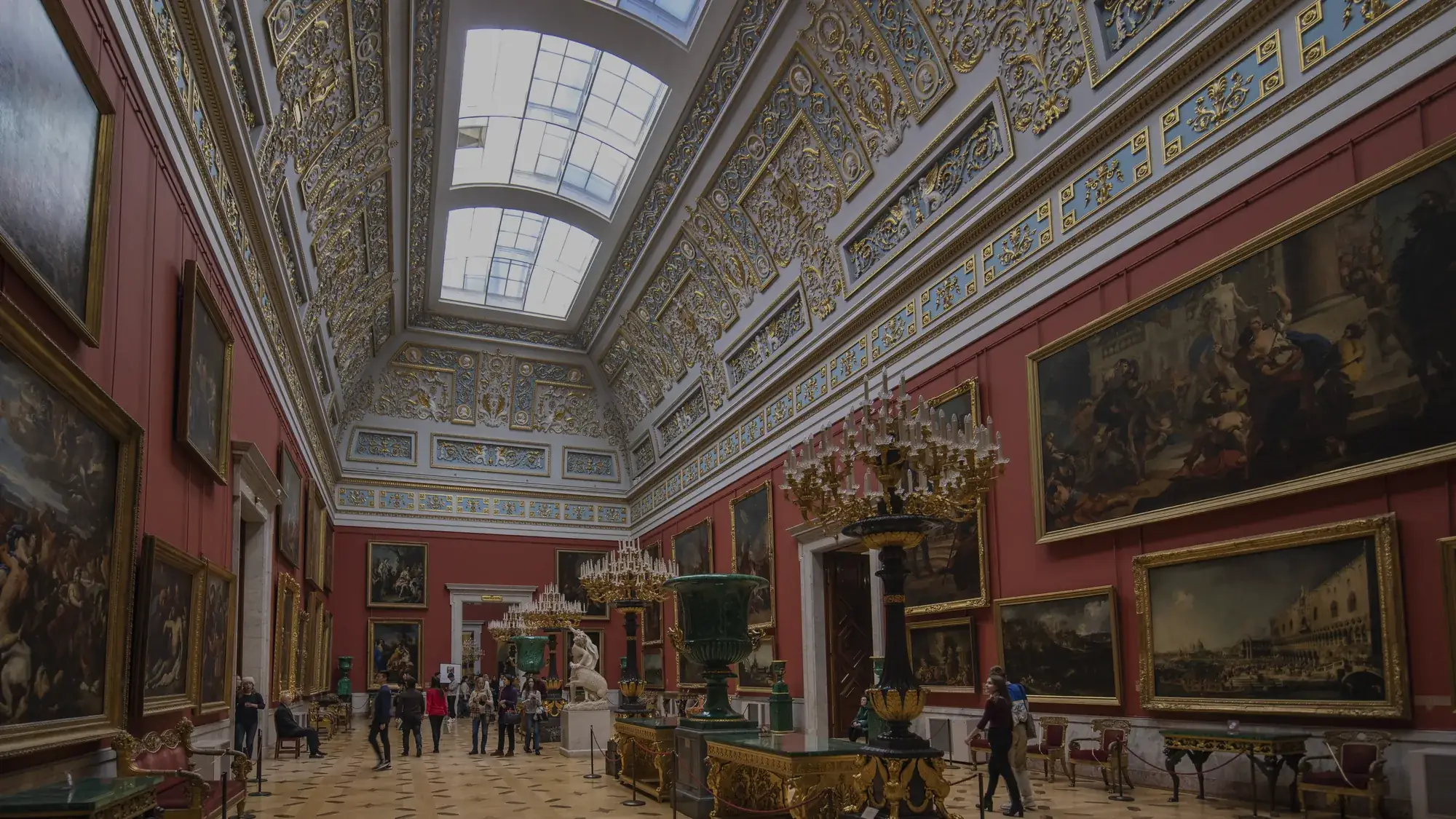
Galleries & Exhibitions
Where art meets the world, and beauty is placed, however briefly, within reach.
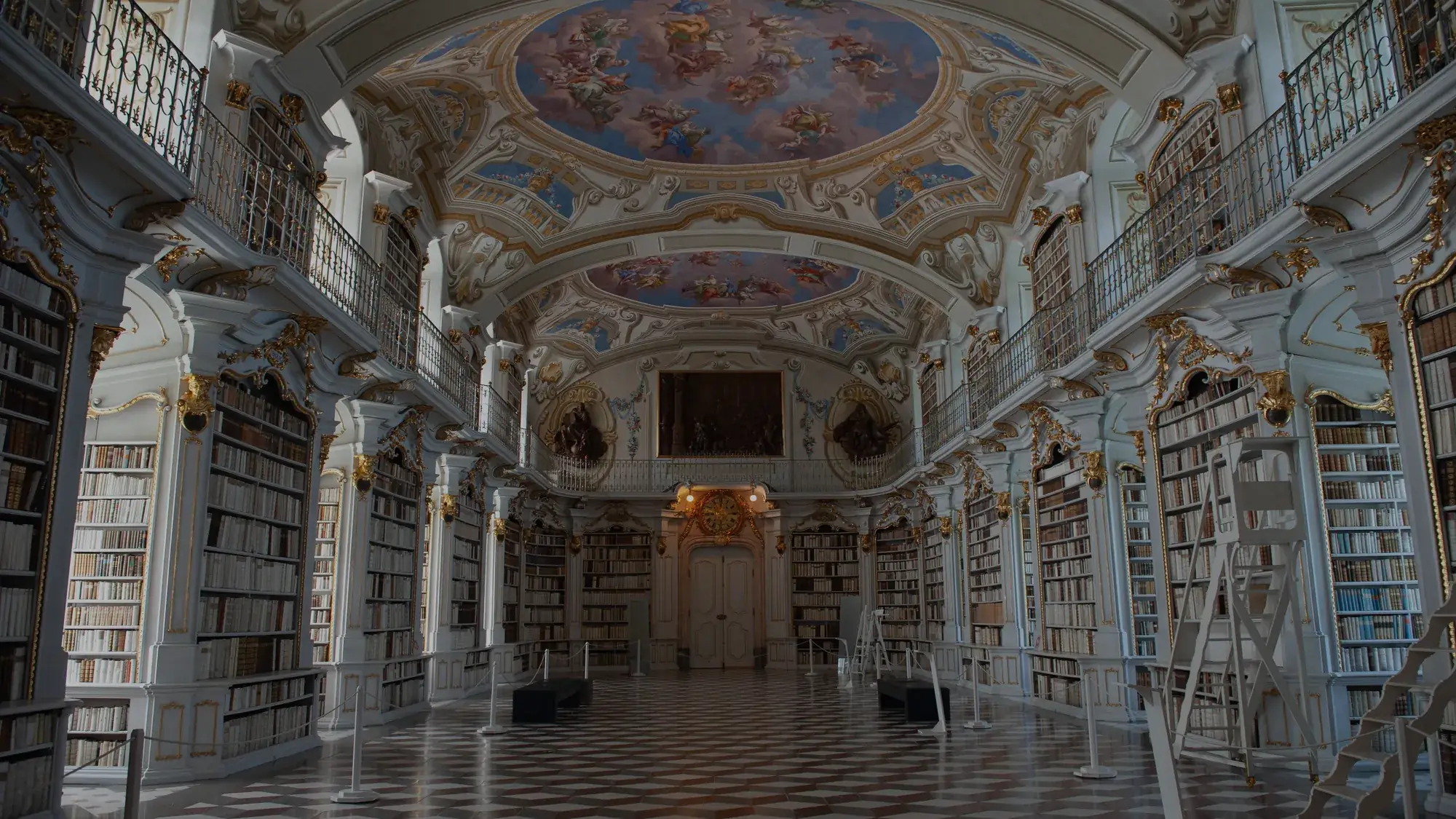
Libraries & Archives
The written record of civilisation, centuries of thought preserved on fragile pages.
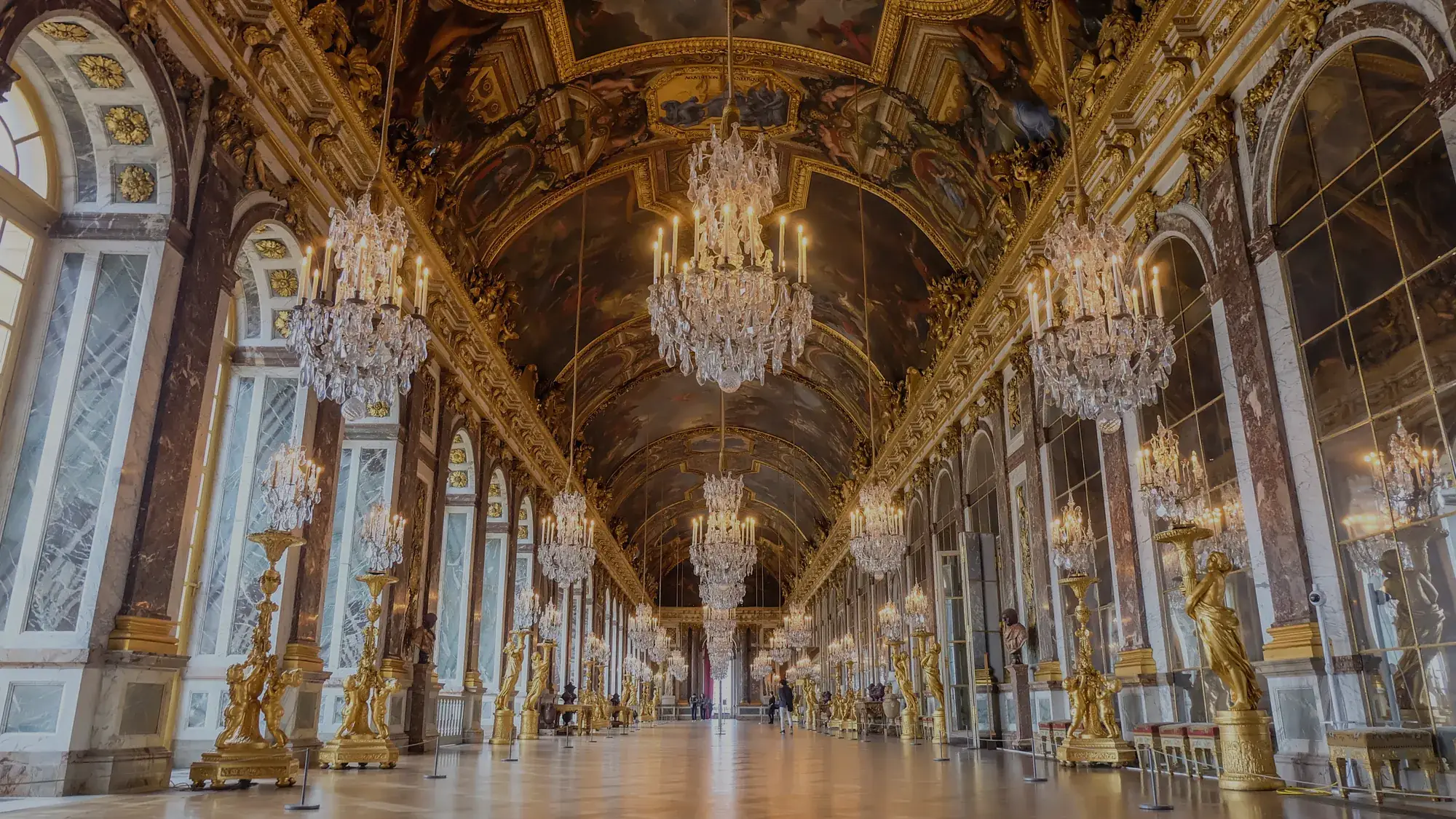
Private Collections
Treasures held in private hands, no less precious for being unseen.
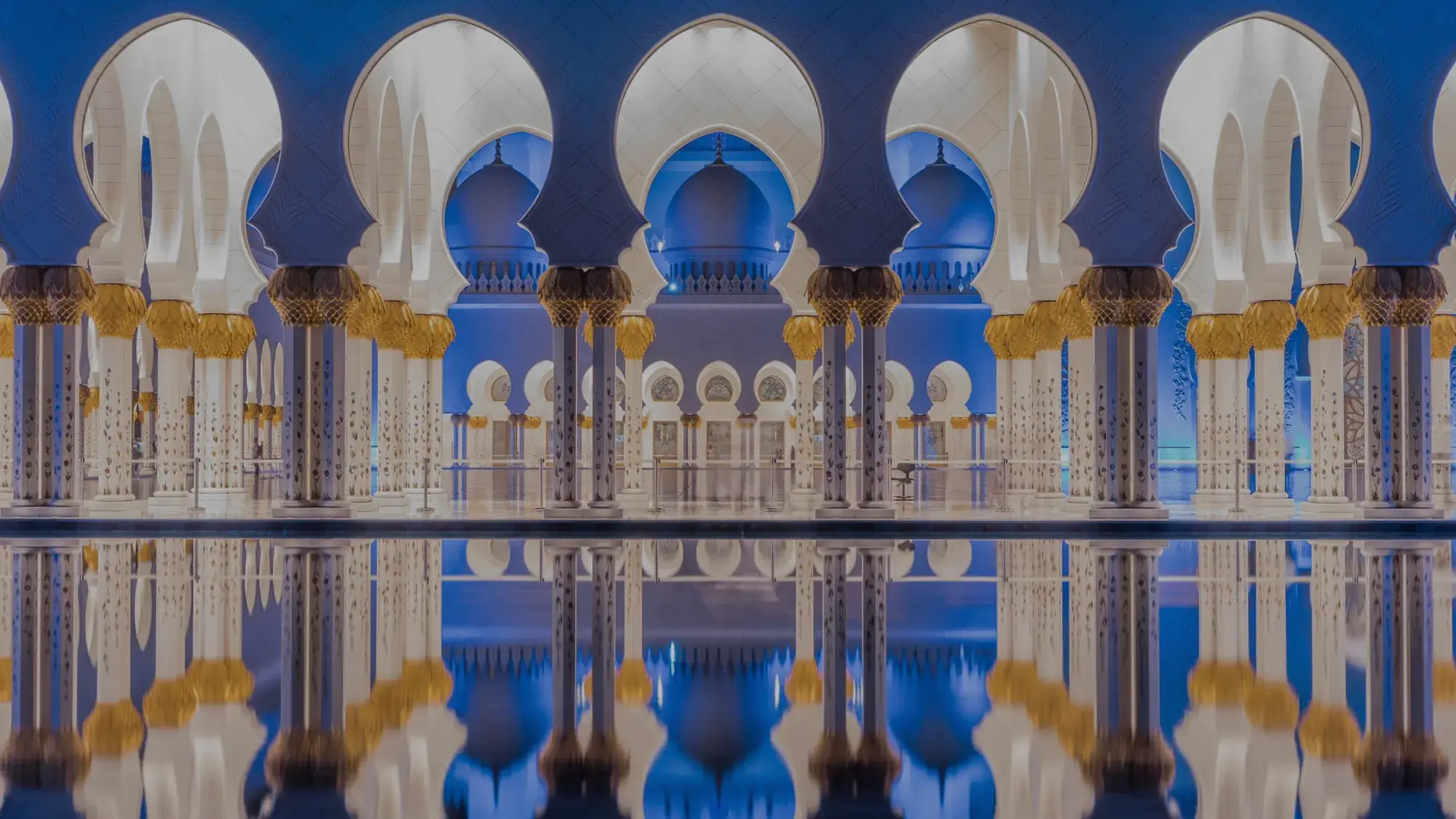
Historic & Sacred Sites
Places where the past still stands, bearing witness across the centuries.